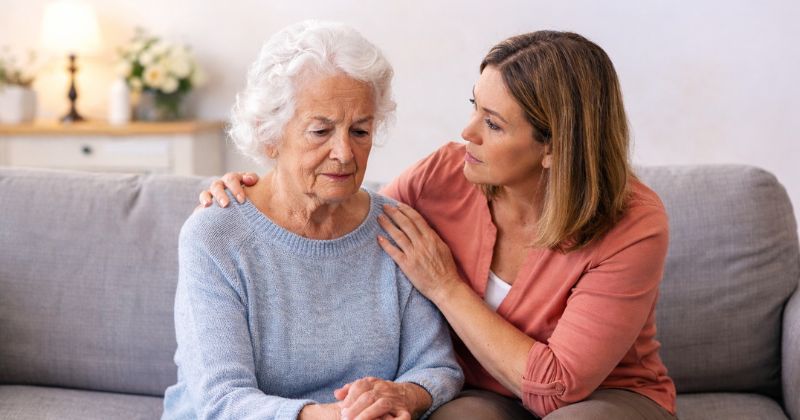
Discover the top 5 benefits of home-based allied health services for the elderly, including greater comfort, personalised care, improved mobility, independence and safer living at home.

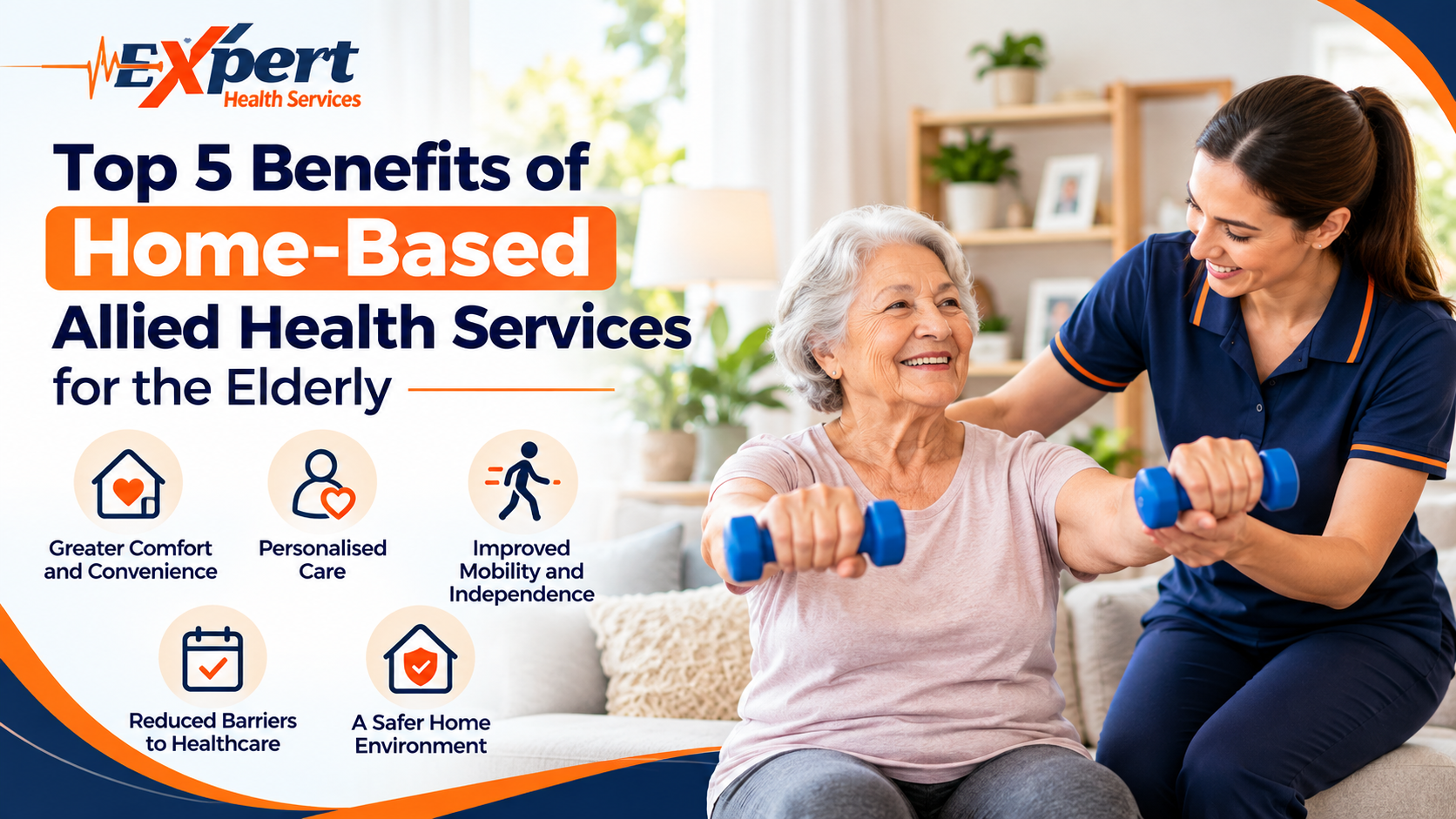
As people grow older, maintaining independence, mobility and quality of life can become increasingly important. Regular access to the right healthcare and support services can help older Australians manage physical challenges, recover from illness or injury, and continue participating in everyday activities.
For many elderly people, travelling to a clinic can be difficult or stressful. Home-based allied health services provide an alternative by bringing qualified health professionals directly to the person’s home.
From physiotherapy and occupational therapy to podiatry and other allied health support, receiving care at home can make treatment more convenient and personalised.
In this article, we explore the top five benefits of home-based allied health services for the elderly and why this type of care can be valuable for older Australians in Sydney.
What Are Home-Based Allied Health Services?
Home-based allied health services are professional healthcare services delivered in a person’s home rather than at a traditional clinic or healthcare facility.
Depending on an individual’s needs, services may include:
- Physiotherapy
- Occupational therapy
- Podiatry
- Exercise-based rehabilitation
- Mobility and functional assessments
- Falls prevention support
- Assistance with maintaining independence
- Rehabilitation following illness, surgery or injury
- Recommendations for assistive equipment and home modifications
Home-based care can be particularly useful for older people who have mobility difficulties, chronic health conditions, disabilities or challenges travelling outside their home.
1. Greater Comfort and Convenience
One of the biggest benefits of home-based allied health services is convenience.
For an elderly person, travelling to an appointment may involve arranging transport, getting dressed and prepared, navigating parking, walking through unfamiliar environments or relying on family members or carers.
With home-based services, the healthcare professional comes to the person’s home.
This can make appointments easier to manage and may reduce the physical and emotional stress associated with travelling to a clinic.
Receiving care in a familiar environment can also help an older person feel more relaxed during their appointment.
Why convenience matters
Home-based allied health services can help reduce:
- Travel requirements
- Dependence on family transport
- Waiting-room time
- Difficulty navigating unfamiliar locations
- Disruption to daily routines
For families supporting elderly relatives, having healthcare delivered at home can also make organising ongoing appointments easier.
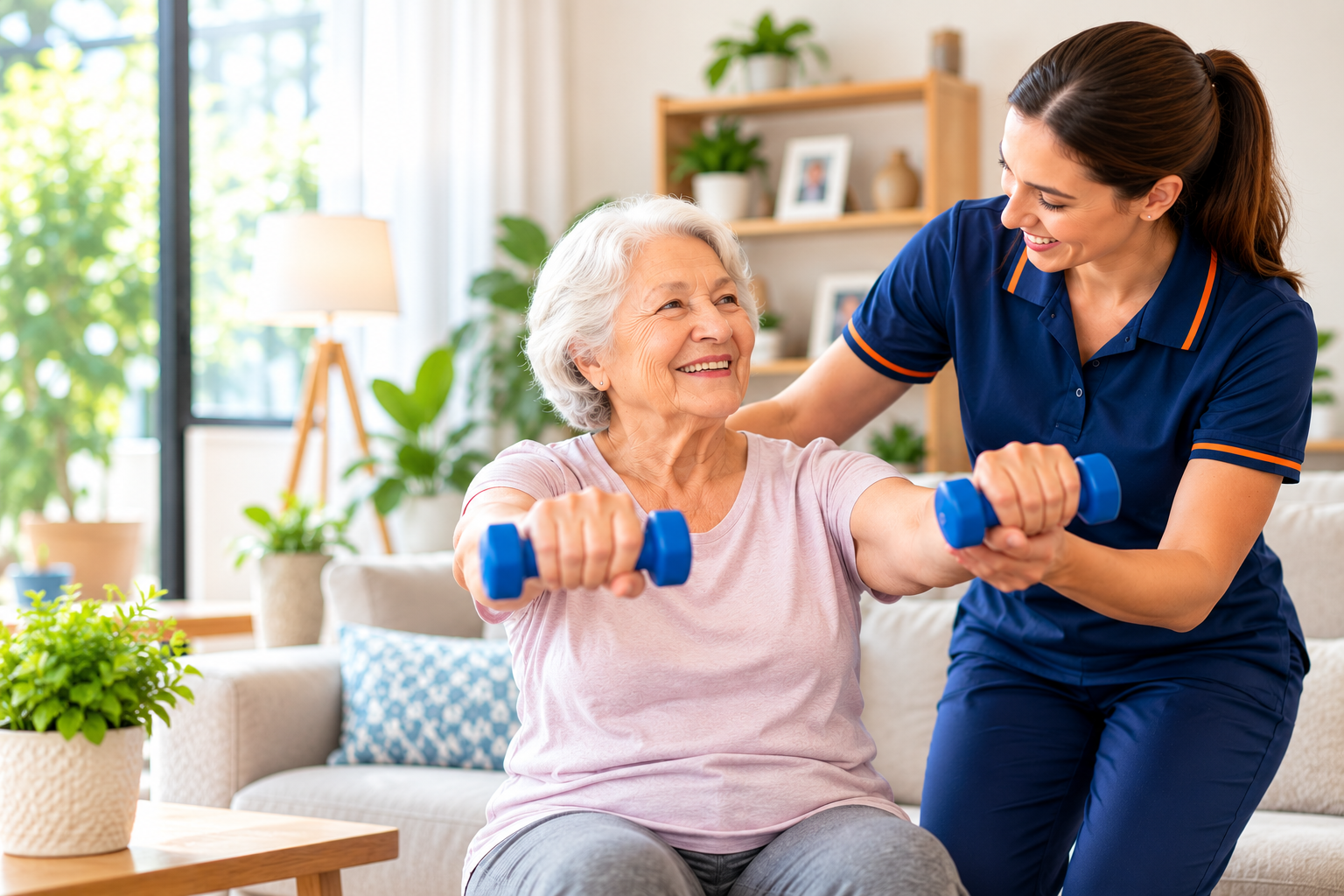
2. Personalised Care in a Familiar Environment
Every person’s health, mobility and daily routine are different.
A clinic-based appointment generally provides a limited view of how someone functions outside the clinical environment. A home visit allows an allied health professional to observe the person in the environment where they perform their everyday activities.
For example, an occupational therapist may be able to identify challenges involving:
- Getting in and out of bed
- Using the bathroom
- Preparing meals
- Moving between rooms
- Using stairs
- Getting into and out of a chair
- Completing personal-care activities
This information can help the professional develop recommendations that are relevant to the person’s actual lifestyle.
A more individual approach
Home-based allied health care can consider factors such as:
- The person’s mobility
- Their home layout
- Their daily routine
- Available support from family or carers
- Their individual goals
- Existing equipment or mobility aids
This can contribute to a more personalised approach to care and rehabilitation.
This can contribute to a more personalised approach to care and rehabilitation.

3. Support for Mobility, Strength and Independence
Maintaining mobility is an important part of healthy ageing.
Reduced strength, balance difficulties, pain or previous injuries can make everyday activities more challenging. Allied health professionals can provide appropriate assessment and support based on an individual’s circumstances.
For example, physiotherapy may focus on areas such as:
- Strength and conditioning
- Balance
- Flexibility
- Mobility
- Recovery after injury
- Functional movement
- Exercise programs
- Falls prevention
An occupational therapist may focus more specifically on helping a person perform everyday tasks safely and independently.
Encouraging independence
The goal of allied health support is not simply to treat a particular physical problem. Depending on the individual’s needs, it can also focus on helping them participate in everyday life.
For an older person, maintaining independence may mean being able to:
- Move around their home safely
- Prepare a simple meal
- Get dressed
- Use the bathroom independently
- Participate in hobbies
- Visit family and friends
- Continue performing everyday household activities
The appropriate support will depend on the individual’s health and circumstances.
4. Reduced Barriers to Ongoing Healthcare
Regular appointments can be difficult for some elderly people, particularly when mobility, transportation or accessibility is an issue.
If travelling to a clinic is challenging, there is a risk that appointments may be delayed or missed.
Home-based services can remove some of these practical barriers by providing care at home.
This can be particularly relevant for older people who:
- Have limited mobility
- Use a wheelchair or walking aid
- Have difficulty accessing transport
- Require assistance from a carer
- Are recovering from surgery or injury
- Find travelling physically exhausting
- Have difficulty leaving their home independently
Making healthcare easier to access can support continuity of care and help individuals work towards their health and functional goals.
5. Better Understanding of the Home Environment
Another important advantage of home-based allied health services is that professionals can assess challenges within the person’s actual living environment.
The home itself can sometimes present difficulties for an older person.
Examples may include:
- Slippery bathroom surfaces
- Difficult-to-access showers
- Stairs
- Poorly positioned furniture
- Narrow walkways
- Inadequate lighting
- Difficult-to-reach storage
- Chairs or beds that are difficult to use safely
An occupational therapist may assess how the person interacts with their environment and recommend appropriate strategies, equipment or modifications where suitable.
Supporting safer everyday living
Home assessments may help identify opportunities to make everyday activities easier and safer.
Recommendations could potentially include:
- Grab rails
- Shower equipment
- Mobility aids
- Changes to furniture placement
- Improved access to frequently used items
- Other appropriate home modifications
Any recommendations should be based on an individual’s specific needs and professional assessment.
Who Can Benefit From Home-Based Allied Health Services?
Home-based allied health services may be suitable for a wide range of older Australians.
They may be particularly helpful for people experiencing:
- Reduced mobility
- Balance difficulties
- Recovery following surgery
- Injury rehabilitation needs
- Chronic pain
- Disability
- Age-related changes in physical function
- Difficulty completing everyday activities
- Challenges travelling to healthcare appointments
The type of service required will depend on the person’s individual circumstances.
Home-Based Allied Health Services and NDIS Support
For eligible NDIS participants, allied health services may form part of an individual’s support plan where they are considered reasonable and necessary and meet relevant NDIS requirements.
Depending on individual circumstances and plan funding, allied health support may assist with areas such as functional capacity, independence, mobility and participation.
It is important for NDIS participants and their families to understand their individual plan and funding arrangements before arranging services.
Home Care and Allied Health Support
Older Australians receiving home care may also have access to allied health services depending on their circumstances, eligibility and funding arrangements.
Allied health professionals can work alongside other support providers to help address specific health, mobility and functional needs.
A coordinated approach can be particularly useful when an older person requires support from multiple professionals.
Why Choose Home-Based Care?
Home-based care is not simply about avoiding a trip to the clinic.
For many older people, it provides an opportunity for healthcare professionals to understand the person’s real-world environment and focus on practical goals that relate directly to everyday life.
The combination of professional expertise, personalised support and care delivered in a familiar environment can make home-based allied health an important option for eligible elderly Australians.
Frequently Asked Questions
What are home-based allied health services?
Home-based allied health services are professional healthcare services delivered in a person’s home. Depending on their needs, services may include physiotherapy, occupational therapy, podiatry and rehabilitation support.
Is home-based allied health suitable for elderly people?
Home-based allied health may be suitable for older people who have mobility difficulties, rehabilitation needs, disability or difficulty travelling to a clinic. Suitability depends on the individual’s circumstances and assessment.
What allied health professionals can visit elderly people at home?
Depending on the provider and the person’s needs, home visits may be available from professionals such as physiotherapists, occupational therapists and podiatrists.
Can physiotherapy be provided at home?
Yes. Some physiotherapy services can be delivered at home, depending on the person’s needs, location and the provider’s service availability.
How can occupational therapy help an elderly person at home?
Occupational therapy can assess how a person manages everyday activities and identify strategies, equipment or environmental changes that may support independence and safety.
Can home-based allied health help with mobility?
Depending on the person’s needs, allied health professionals can provide assessment, rehabilitation and appropriate exercises or strategies to support mobility and functional independence.
How do I arrange home-based allied health services in Sydney?
Start by discussing the person’s needs with a qualified allied health provider. The provider can help determine which service may be appropriate and whether home visits are available in the required Sydney location.
Looking for Allied Health Support in Sydney?
Expert Health Services provides allied health support services designed around individual needs, including services that may be delivered in the home.
Learn more about Allied Health Support Services in Sydney:
Allied Health Support Services Sydney
Conclusion
Home-based allied health services can provide valuable support for older Australians by making professional care more convenient, personalised and relevant to everyday life. From improving mobility and independence to identifying challenges within the home environment, services such as physiotherapy, occupational therapy and podiatry can support an individual’s health and functional goals.
For elderly people who find travelling to a clinic difficult, receiving appropriate allied health support at home can help reduce practical barriers while allowing care to take place in a familiar environment. With the right professional guidance, older Australians can work towards maintaining their independence, participating in daily activities and enjoying a better quality of life.
At Expert Health Services, our experienced team provides professional home care services across South Western and South Eastern Sydney.
Call us on 0414 072 871 or [contact our team] to discuss your home care needs.
Need Support at Home?
If you are considering home care for yourself or a loved one, Expert Health Services can help you understand the available support options. Our experienced team provides professional nursing, personal care, domestic assistance and allied health support across South Western and South Eastern Sydney.